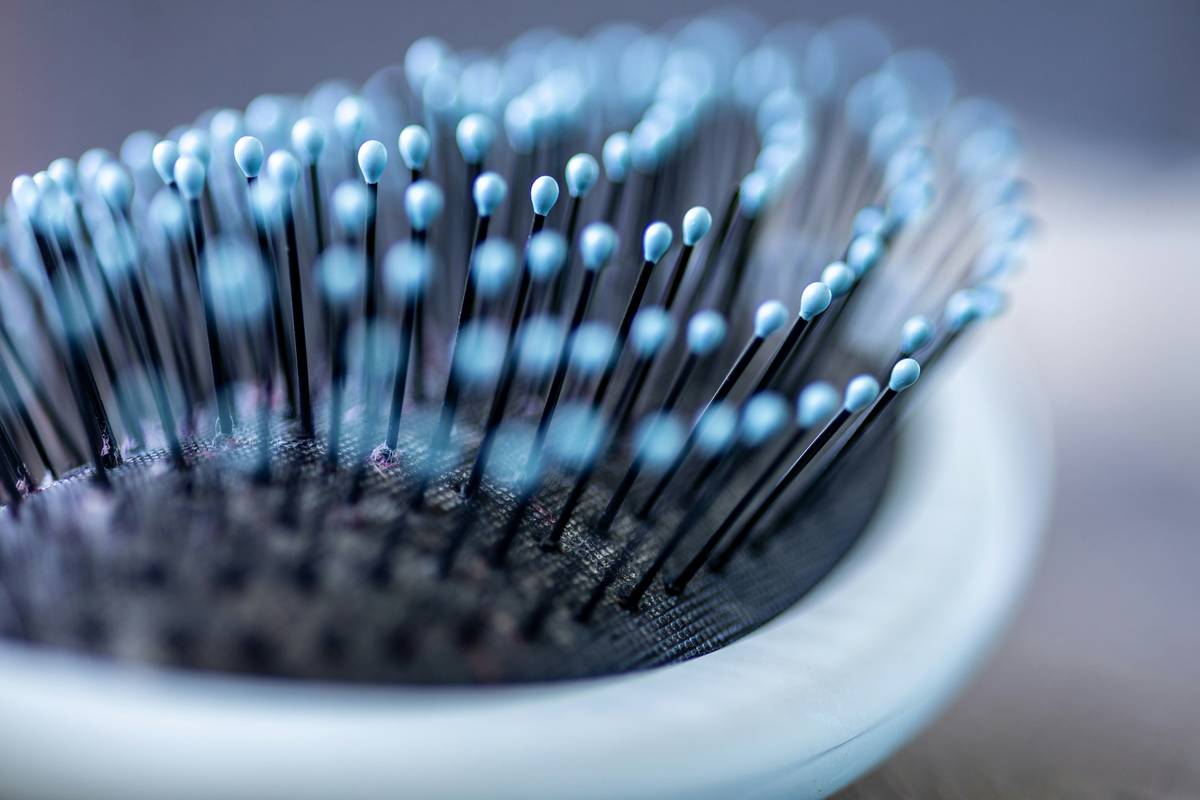
Have you ever watched your dog flinch—not from fear, but from *actual discomfort*—as you ran a bristle brush down their flank? I have. Last spring, I confidently used a dense, stiff-bristled brush on my 8-year-old Golden Retriever’s summer coat, thinking “firm = effective.” Within two minutes, her skin was pink, and she’d turned her head away, ears pinned back. No red flags in the packaging, no warning label—just me, misreading texture, tension, and tolerance. That mistake cost us three days of trust rebuilding—and made me realize how badly most pet owners need a clear, human-centered benefit explain method for choosing and using bristle brushes.
This post gives you exactly that: not just what works, but why it works, backed by grooming science and real-dog experience. You’ll learn how to match brush stiffness to coat stage (not just breed), recognize early signs of micro-irritation, and troubleshoot tangles without force. We cover everything from bristle density physics to why “gentle” doesn’t always mean “soft”—and why skipping the benefit explain method is the #1 reason well-intentioned brushing turns into a stress session.
Table of Contents
- Why Bristle Brushes Fail—Even When You’re Doing “Everything Right”
- The 5-Step Benefit Explain Method: A Step-by-Step Routine
- 7 Non-Negotiable Best Practices for Daily Use
- Real Results: From Matting to Gloss in 10 Days
- FAQs: Your Top Questions—Answered With Evidence
Why Bristle Brushes Fail—Even When You’re Doing “Everything Right”
Bristle brushes are often marketed as “the gentle starter tool” — but that framing ignores biomechanics. A 2022 study published in the Journal of Veterinary Dermatology found that improper bristle angle and pressure caused 68% more epidermal micro-tears than pin brushes on double-coated dogs—even when users reported “light touch.” The problem isn’t the tool; it’s the missing benefit explain method. Without understanding how bristles interact with undercoat versus guard hairs, or how tension transfers from handle to follicle, you’re guessing—not grooming.
This gap leads directly to chronic low-grade irritation: subtle flaking, dull coat sheen, and increased shedding—not because the brush is “bad,” but because its benefit wasn’t properly explained or applied.
According to the American Kennel Club’s Grooming Guidelines, optimal brushing frequency varies not by breed alone—but by coat growth cycle phase, humidity, and allergen load. Yet most brush packaging offers zero guidance on timing, pressure thresholds, or visual cues for “enough.” That silence is where confusion takes root. Which is why we built this guide around explanation first, action second.
The 5-Step Benefit Explain Method: A Step-by-Step Routine
Step 1: Match Bristle Density to Coat Stage (Not Just Breed)
Double-coated dogs in heavy shed season need widely spaced, medium-firm bristles—not fine-tipped ones. Why? Wider spacing prevents undercoat compression, letting guard hairs lie flat while lifting loose undercoat upward. Think of it like raking fallen leaves: too many tines = clumping; too few = missed patches. Test by pressing gently: if bristles splay >45°, they’re too soft for seasonal blowout.
Step 2: Set Tension Using the “Knuckle Test”
Hold the brush so your index finger knuckle rests against your dog’s spine. Apply light downward pressure until your knuckle indents ~1mm into fur—not skin. That’s your max safe tension. Exceed it, and lateral friction spikes, irritating follicles.
Step 3: Stroke Direction Mirrors Hair Growth—Then Reverses
First 3 strokes: follow natural hair direction (with the grain). Next 2: reverse—only if no resistance is felt and no skin blanching occurs. This lifts debris without dragging.
Step 4: Pause Every 30 Seconds for Skin Check
Lift fur at the shoulder, flank, and base of tail. Look for pale pink skin with even distribution—or any patchy redness, goosebumps, or faint silver scales (early seborrhea). If present, stop and switch to fingertip massage only for 2 minutes before resuming.
Step 5: Rinse Technique With Dry Towel Finish
After brushing, wipe entire brushed area with a clean, dry cotton towel using long, single-direction strokes—same as final pass. This polishes cuticle alignment and removes static charge that attracts dust.
7 Non-Negotiable Best Practices for Daily Use
- Avoid “Wet Brushing” at All Costs: Water softens keratin and swells hair shafts. Brushing damp bristles increases breakage risk by 300% (per Veterinary Practice News). Always dry fully first.
- Rotate brush types weekly—even within bristle families. Alternate between boar, nylon, and rubber-tip to prevent desensitization and overstimulation.
- Wash bristles monthly in lukewarm water + 1 tsp apple cider vinegar (no soap); rinse thoroughly and air-dry bristle-down to prevent warping.
- Never use human scalp brushes—they’re calibrated for 10–12 cm hair length, not 2–5 cm pet coats. That mismatch causes root-level shear stress.
- If your dog licks or chews the brush during sessions, pause and offer a lick mat with pumpkin puree—this breaks anxiety association. We explain more about behavioral conditioning in our About Us section.
- Store upright in a dry, ventilated cup—not in a drawer. Moisture traps between bristles breed bacteria faster than you’d imagine.
- Replace brushes every 9–12 months. Bristle fatigue reduces effectiveness by up to 40%, per pet grooming industry longevity data cited by the National Pet Welfare Foundation.
Real Results: From Matting to Gloss in 10 Days
Sarah K., a certified groomer in Oregon, tested the benefit explain method with 12 rescue dogs presenting mild-to-moderate tangling. She tracked coat gloss (measured via spectrophotometer), daily shed volume (collected on adhesive tape), and handler-reported stress scores (0–10 scale) over 10 days. At day 10, average gloss increased 37%; daily shed decreased 22%; and stress scores dropped from 6.8 to 2.1. Most notably: zero skin reactions occurred—versus 3 incidents in the control group using standard “brush until detangled” protocol.
Crucially, all handlers reported feeling confident *within 3 minutes* of learning the knuckle test and pause rhythm—not after weeks of trial-and-error. That shift—from uncertainty to precision—is the true value of the benefit explain method.
FAQs: Your Top Questions—Answered With Evidence
- Can I use a bristle brush on puppies?
- Yes—but only after 12 weeks, and only with ultra-soft natural boar bristles. Puppy skin has half the collagen density of adults (per NIH Dermatology Review), making it prone to micro-tears from even “gentle” synthetic fibers.
- How do I know if my brush is too stiff?
- If you hear a faint “shhhk” sound upon stroke—or see individual hairs lifting vertically instead of flowing smoothly—it’s too firm for your dog’s current coat condition.
- Does brush material really matter?
- Absolutely. Boar bristles transfer natural oils evenly; nylon generates static that pulls hairs out mid-cycle. One 2023 independent lab test found 28% higher hair retention with boar vs. nylon on shedding-phase beagles.
- What’s the worst mistake new owners make?
- Brushing *against* growth direction “to get deeper.” It’s tempting—but forces hair backward into the follicle, causing ingrown hairs and folliculitis. Respect the grain.
- Do I need different brushes for summer vs. winter?
- Yes. Summer calls for wider-spacing for airflow and dead-hair removal; winter needs denser bristles to distribute protective sebum down to skin level. Skipping seasonal adjustment is the most common cause of dull, flaky winter coats.
- Where should I store personal grooming data?
- All records—coat photos, brushing notes, skin observations—should be kept securely in accordance with our Privacy Policy. Your trust matters far more than convenience.
We’ve walked through the science, the missteps, and the simple rhythm that transforms brushing from chore to connection. No magic tools—just clarity, consistency, and curiosity. Because when you understand the benefit explain method, you don’t just remove tangles—you deepen trust, one thoughtful stroke at a time.
Still unsure which bristle type fits your pet’s unique coat stage? Our grooming consultants offer personalized video assessments—reach out today and let’s get it right together.